HUMAN SURVIVAL
2007
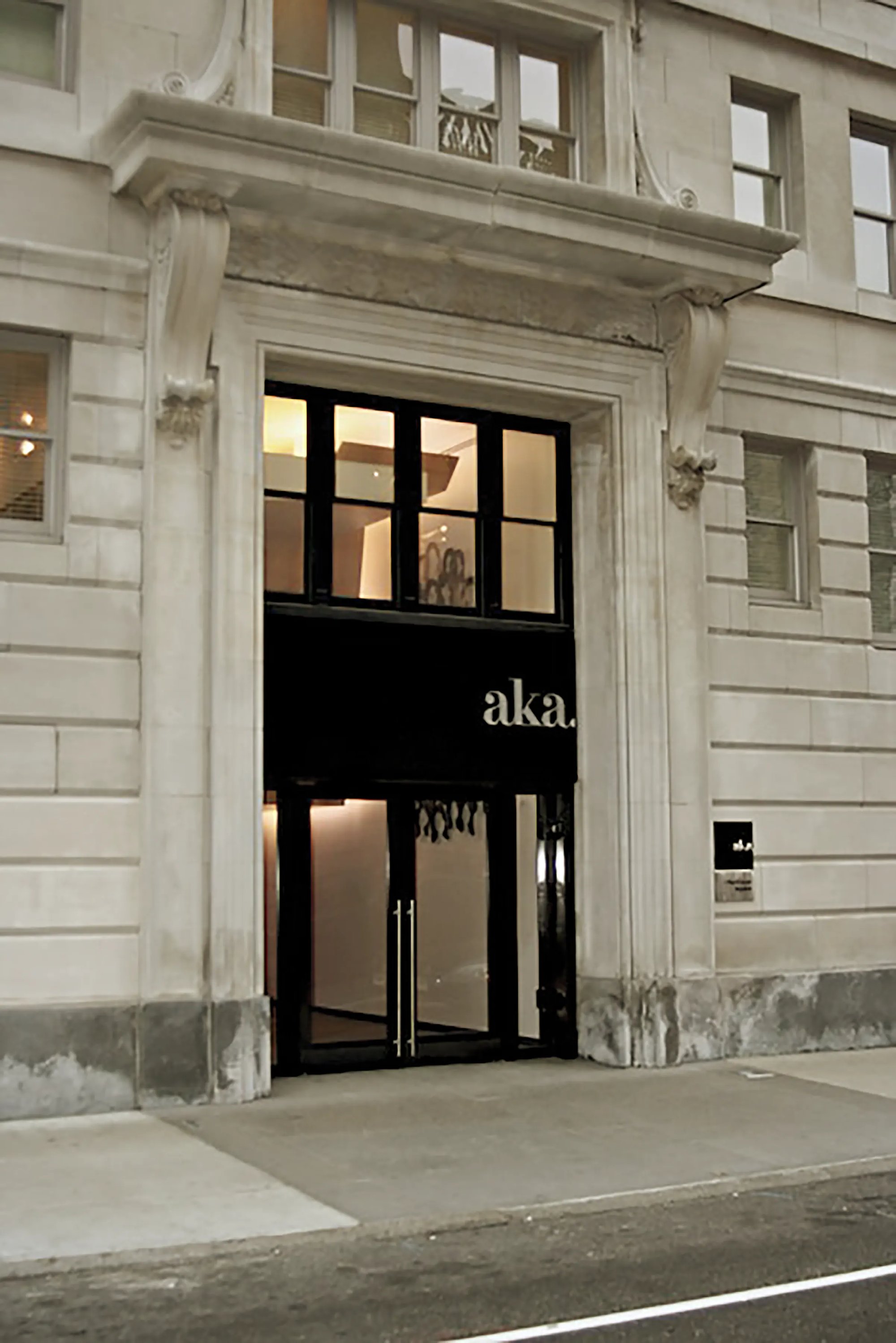
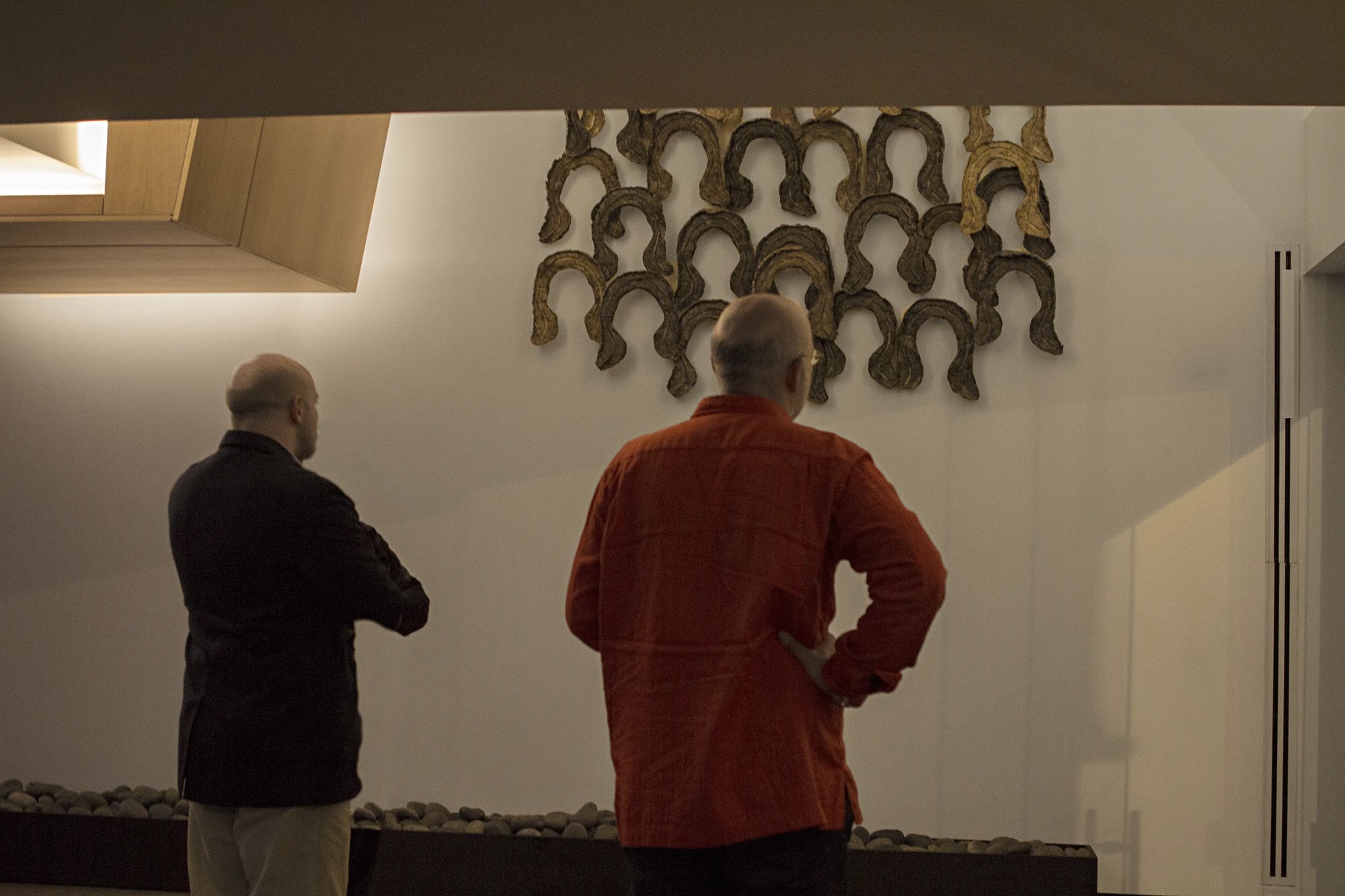
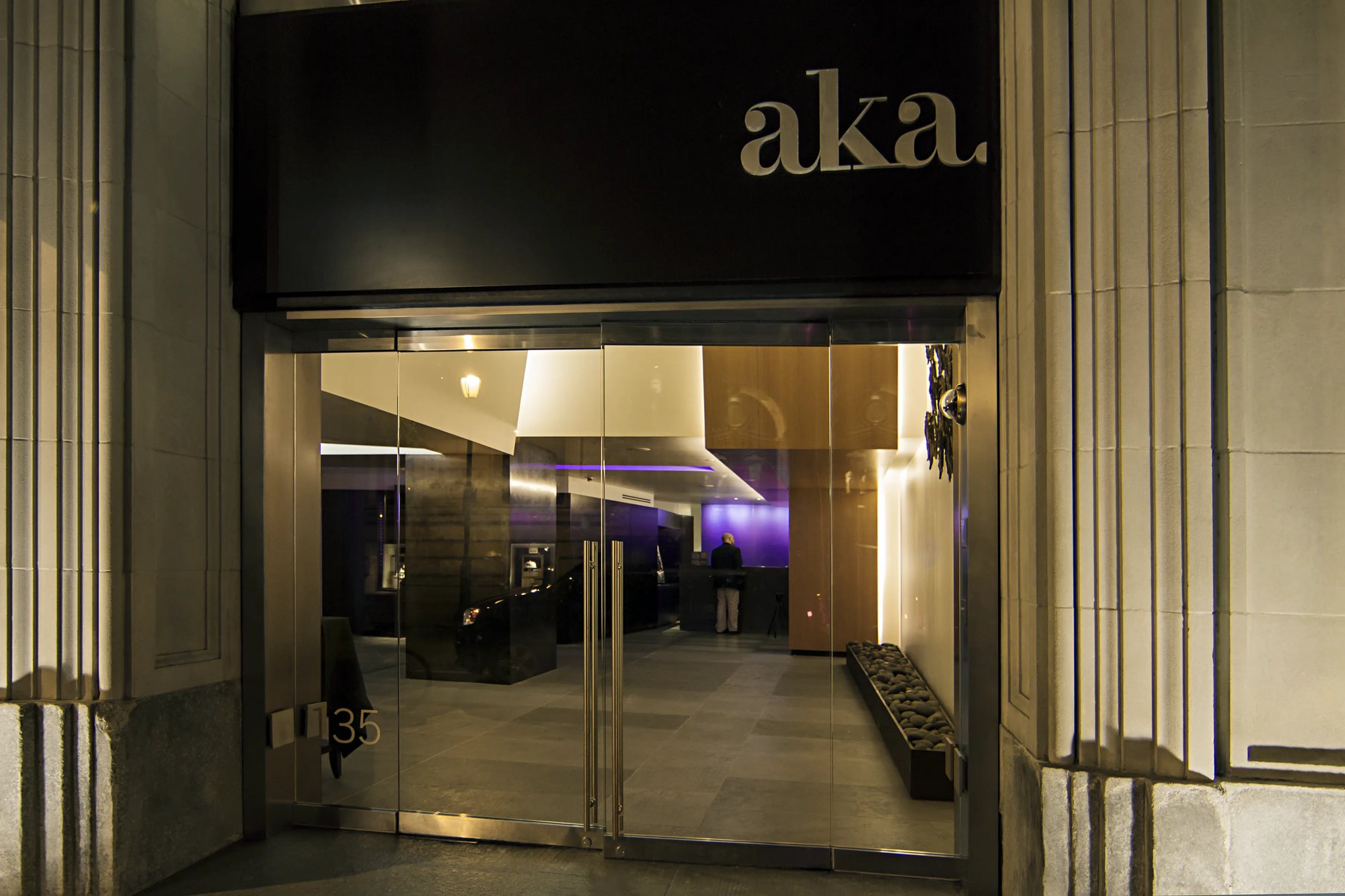
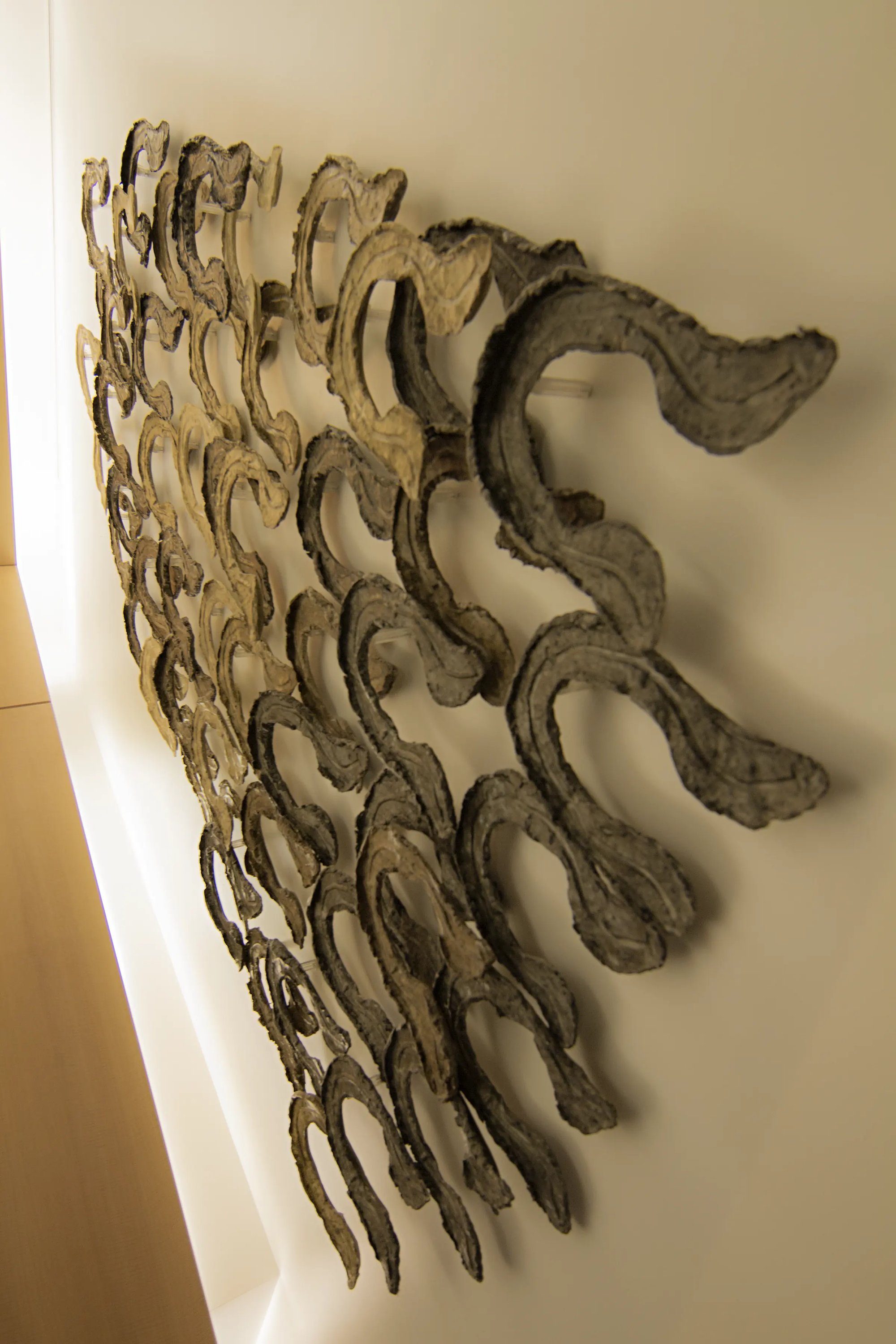
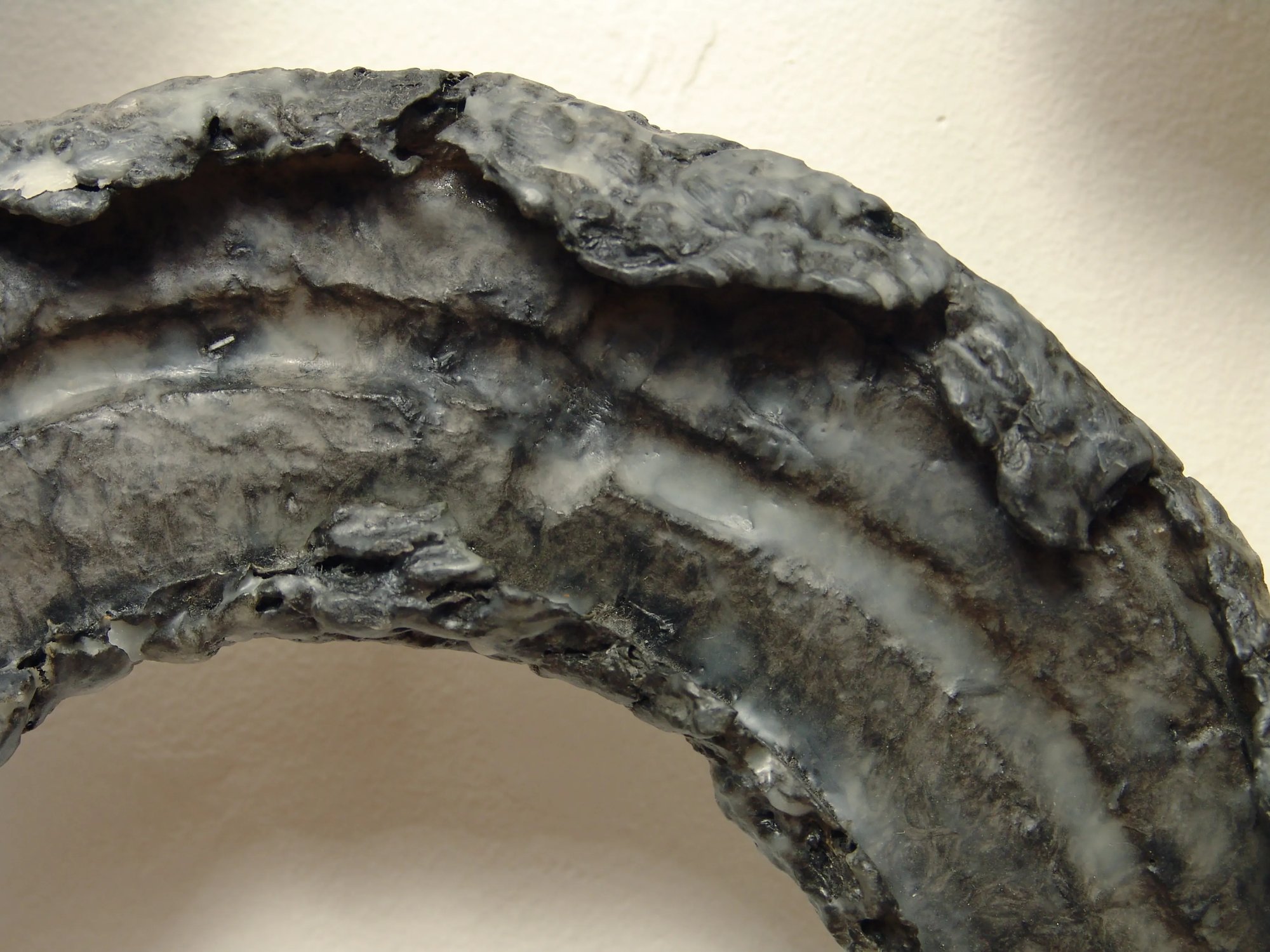
HUMAN SURVIVAL, 2007, AKA One Rittenhouse Square, Philadelphia, PA, Abaca cast paper and mixed media.
8′ × 10′ (2.44 m × 3.04 m)
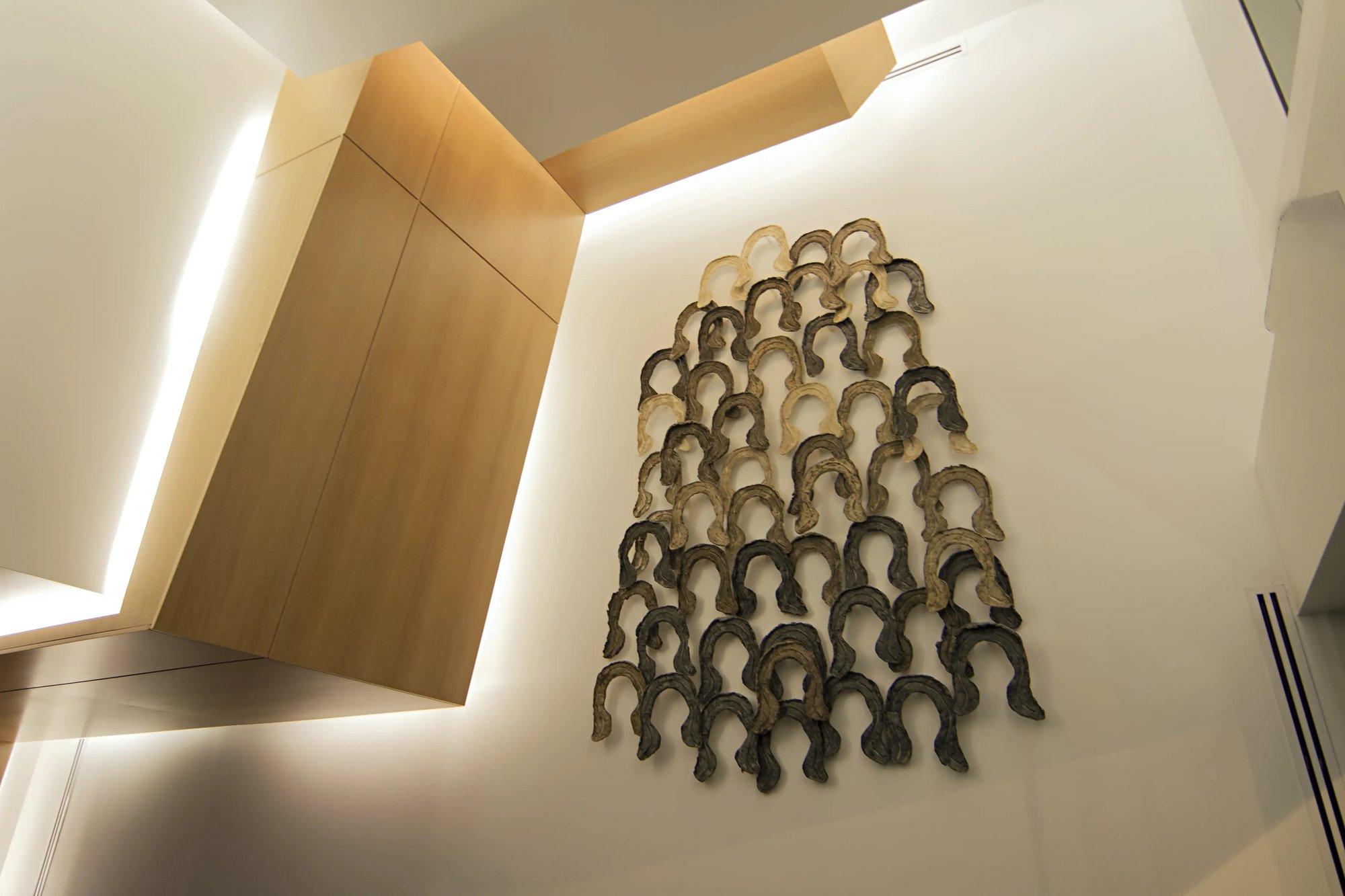
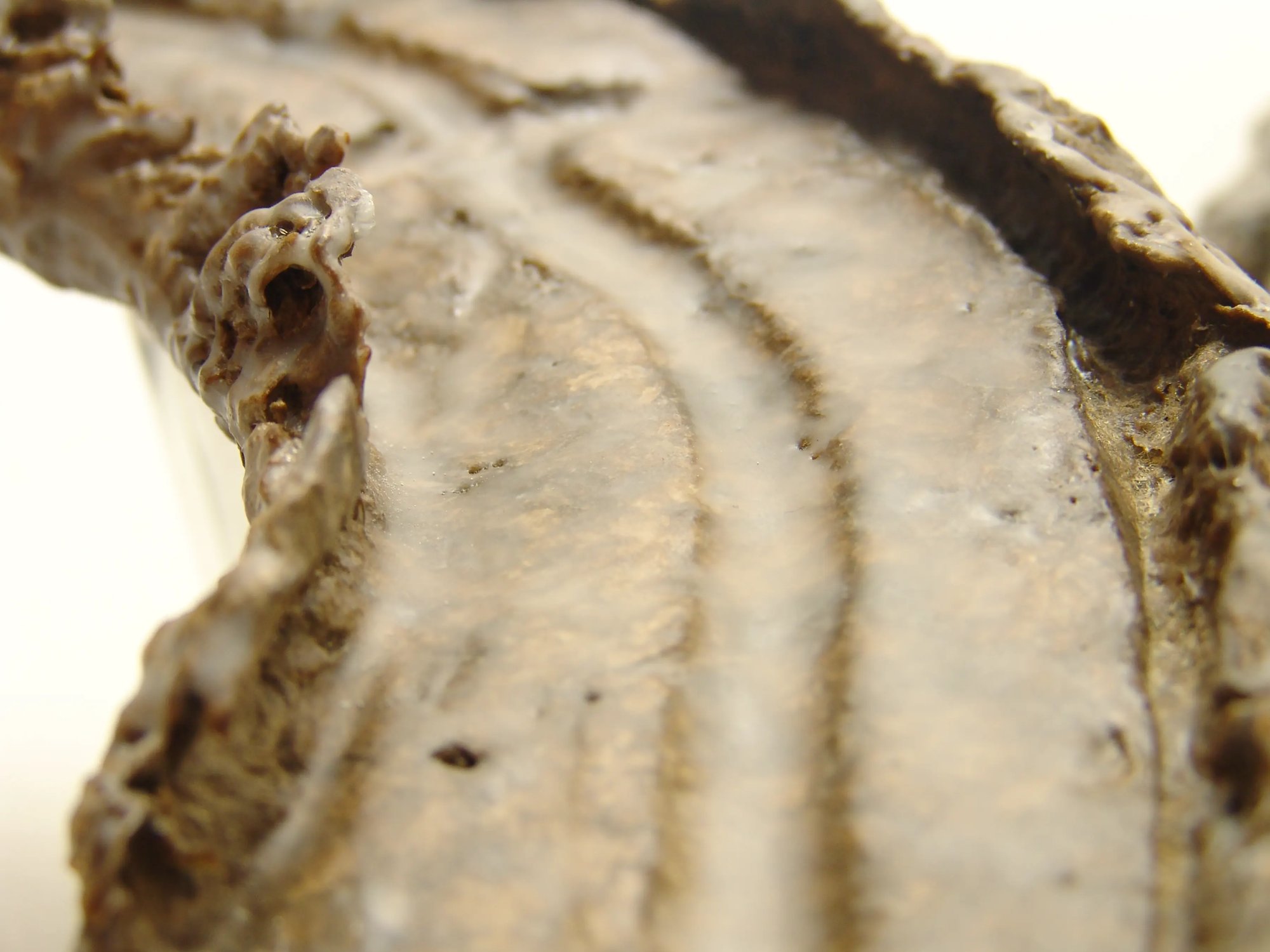
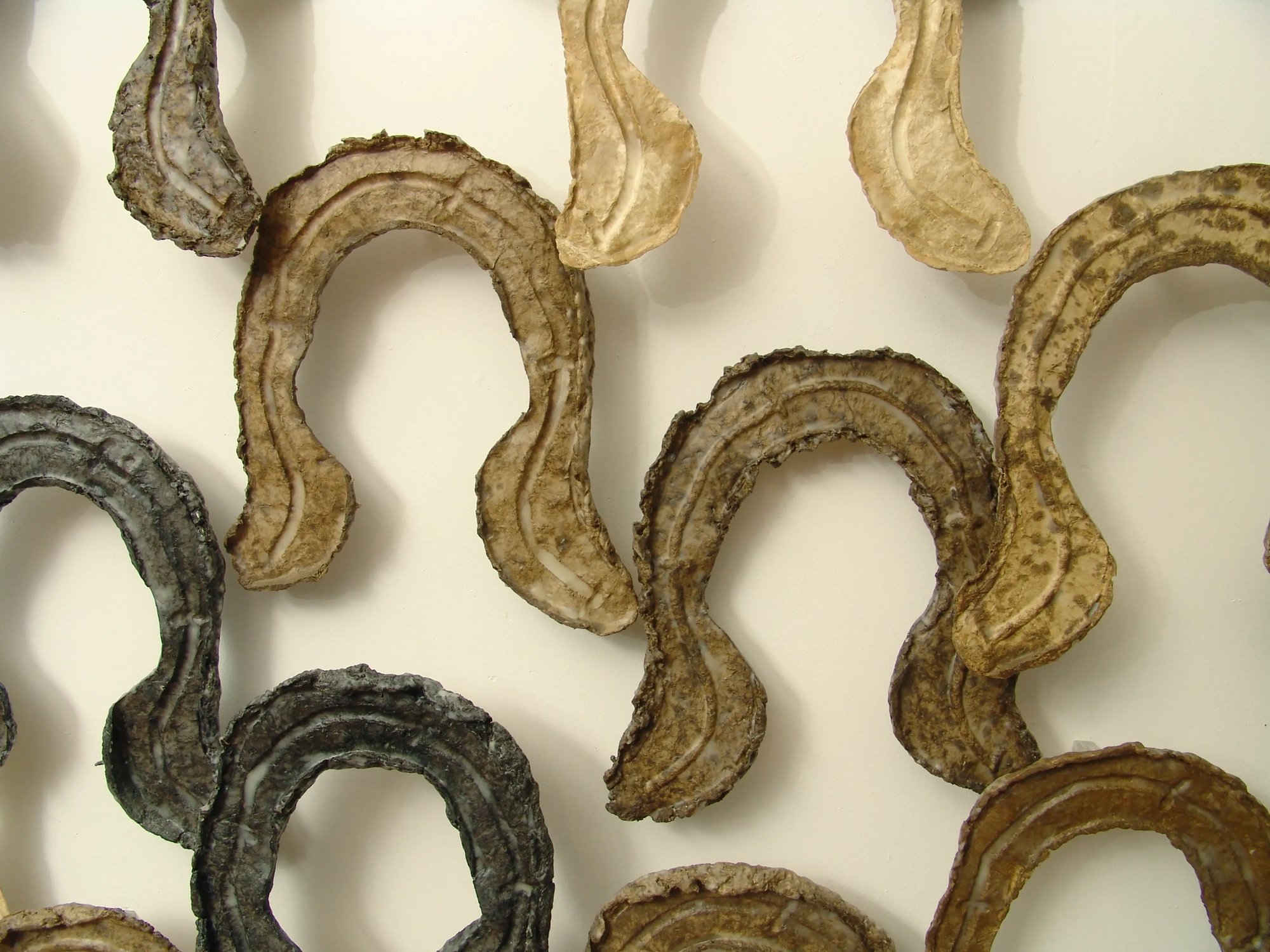
HUMAN SURVIVAL is an 8 × 10-foot wall installation of abaca cast paper forms installed in the lobby of AKA One Rittenhouse Square in Philadelphia, its stacked faceless heads evoking both the crevices of Norway’s fjord communities and the vertical density of New York’s high-rise neighborhoods in a sculptural meditation on tradition, adaptation, and the tenacity of human survival.
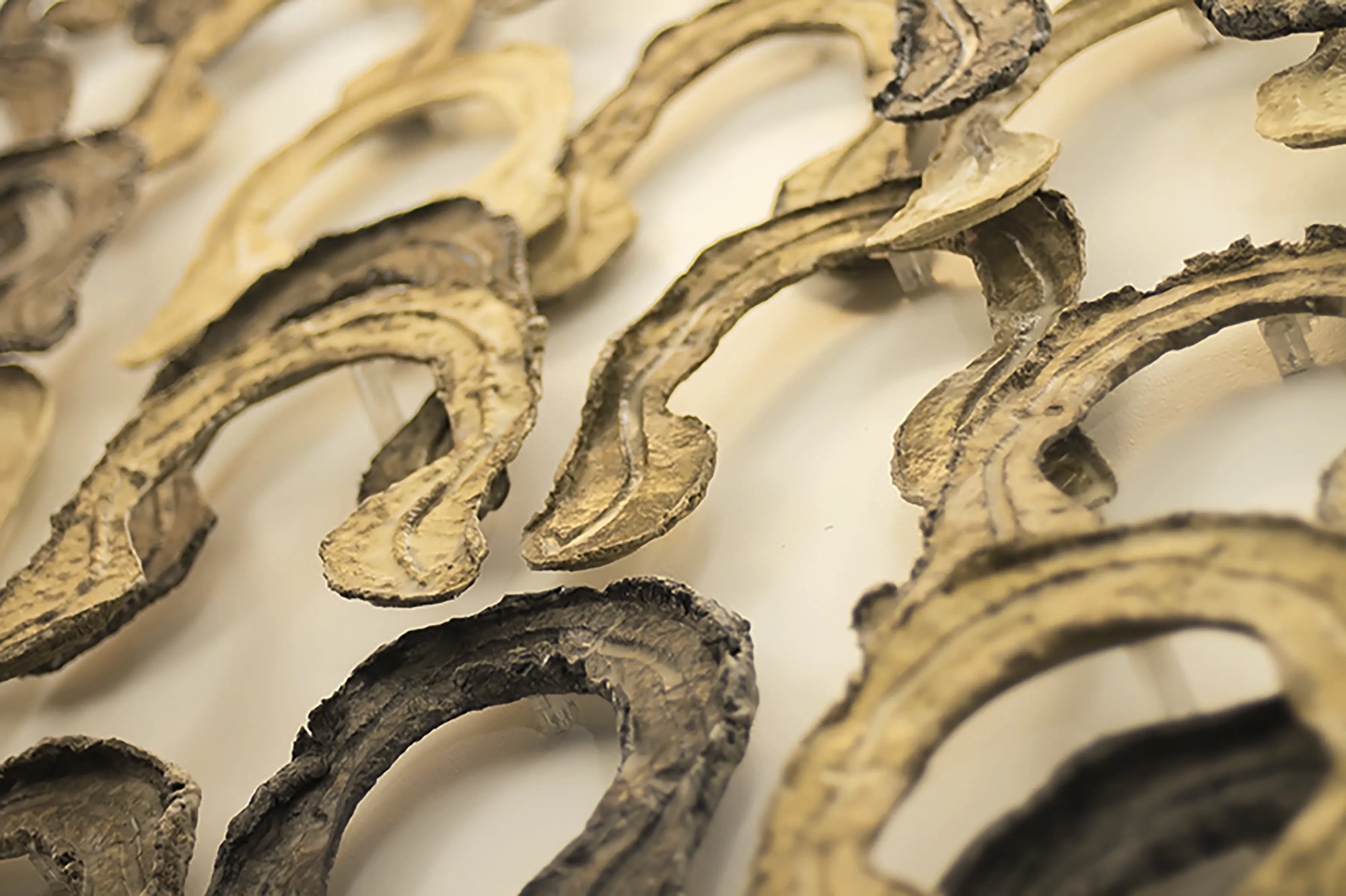
- One of the few works in Amorós’s practice using cast paper rather than light as its primary medium, HUMAN SURVIVAL was created during a residency period in which she traveled to central western Norway and encountered mountain communities living at extreme altitudes, whose way of life she describes as simultaneously alien and familiar.
- The abaca paper forms were each individually sculpted around the mold of a human head, producing a faceless, undefined community whose arrangement on the wall suggests both the vertical stacking of a high-rise apartment building and the tiered peaks of a Norwegian fjord, collapsing the distance between two seemingly opposite environments into a single form.
- The work poses a central question about the evolution of tradition: whether the next generation in any isolated or endangered community is weighed down by the obligations of inherited culture or exists weightlessly, supported by thousands of years of art, innovation, and survival that precede them.
- Installed in a lobby transformed by architect Joan Pierpoline of studio IntraMuros, HUMAN SURVIVAL situates its questions about community, adaptation, and survival within one of Philadelphia’s most refined luxury residential environments, creating a deliberate tension between the extremity of its subject matter and the comfort of its setting.
HUMAN SURVIVAL is an installation inspired by my experiences exploring the Fjords; a large, mountainous region in Central Western Norway. There I learned about a community of people that live within the crevices of the mountain peaks. The extreme heights at which this community makes its home prohibited me from communicating directly with them, however, the natives who lived at the base of the mountains related fantastic stories to me of their extraordinary living conditions. Their way of life fascinated me, striking me simultaneously as alien and familiar. Eventually, I became aware of subtle parallels between that which I saw in Norway and the built environment around me in New York. Communities in both places are willing to submit to harsh living environments in order to sustain their traditional ways of life; be it a mountain crevice or a high rise in the Bronx. We tenaciously hold onto our accustomed modes of existence despite the greatest inconveniences, difficulties, or even dangers.
The piece evokes the natural terrain of the Fjords and the heights of New York apartment buildings. The shapes seem both natural and artificial, as the abaca paper casts having been sculpted around the mould of a human head. These faceless “heads,” represent an undefined community, and were then arranged in a way that is suggestive of a high-rise apartment building or a mountain. The duality of this piece resides in the constant interplay of the natural and organic with the artificial and synthetic. The raw material of the abaca paper, shaped into heads and further arranged on the wall, suggests the way in which communities of people as well as individuals — the “raw material” of humanity — are shaped by the environment in which they live. The mold into which we are cast is tradition. Thus, the community in the crevices of the Fjord Mountains, and the community of underprivileged in New York, both battle harsh environmental and social conditions that threaten their very existence, causing them to develop unique lifestyles in order to survive.
The evolution, or possible devolution, of tradition is manifest in the shape of the sculpture. The head-shaped abaca casts are resting on one another, each row smaller but also higher than the row that came before. But is this sense of evolution a burden or a privilege? Is the “next generation” in these unique communities weighed down by existing, and on occasion highly restrictive, tradition? Or, do they exist weightlessly, perfectly free from obligations, but supported by the thousands of years of art, culture, and innovations of their forebears?
Both the mountain people of the Fjords and the sky-dwellers in New York live in fear of a loss of tradition as their youths move away: to the base of the mountain or to other neighborhoods, cities, suburbs, or towns. The “next generation” upholding these unique traditions is indeed smaller, but perhaps this merely illustrates the cornerstone principle of evolution: the key to survival is adaptation.
AKA balances the amenities and personal service of an intimate hotel with long term comfort of a fully appointed luxury apartment. Specializing in stays of a week or more, AKA stands for generous spaces; artful design; attentive staff; and the superb business, spa, and fitness services.
The luxurious hotel lobby of AKA One Rittenhouse has been respectfully transformed by architect, Joan Pierpoline, principal of studio IntraMuros.