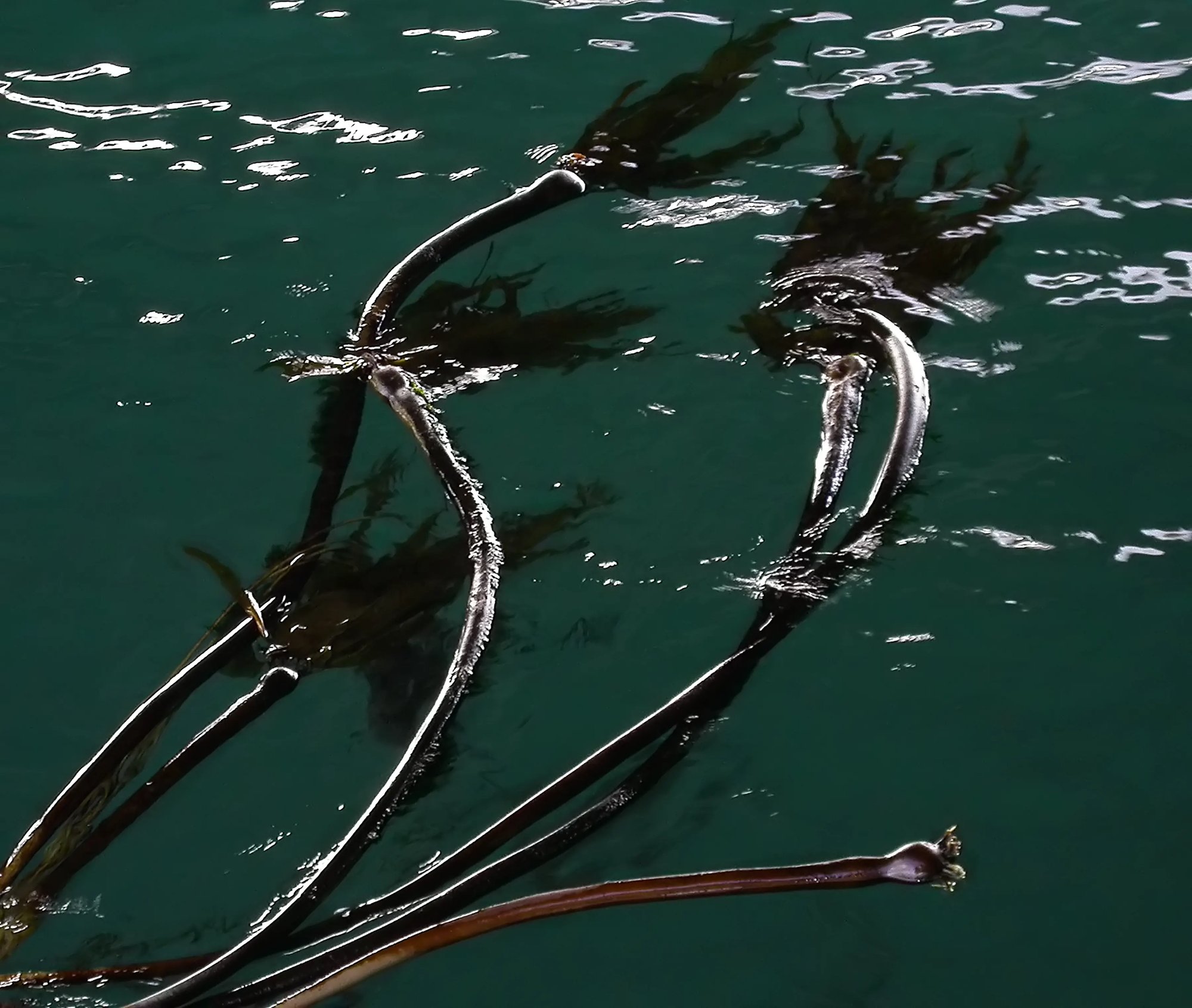
ROOTLESS ALGAS
2004
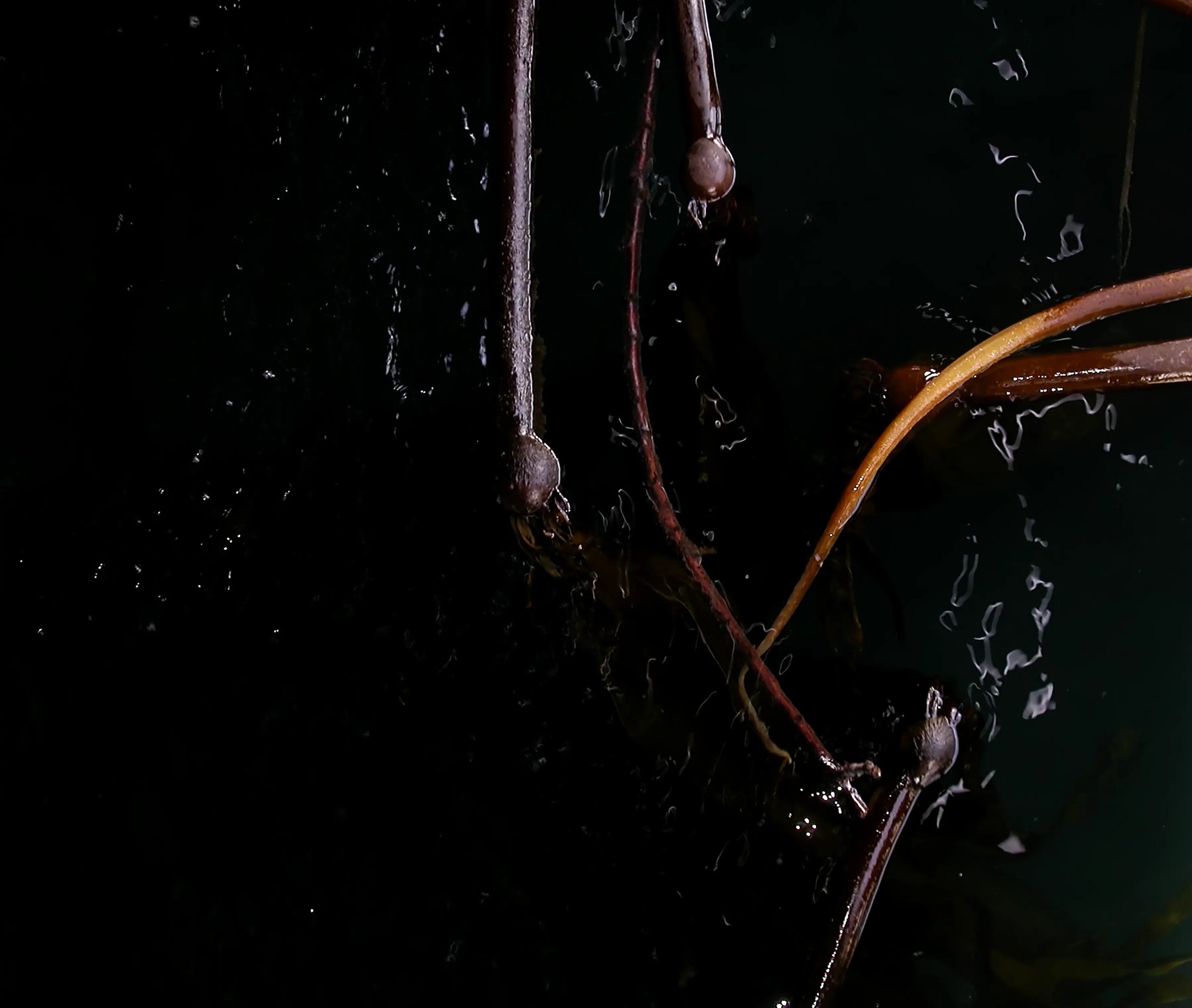
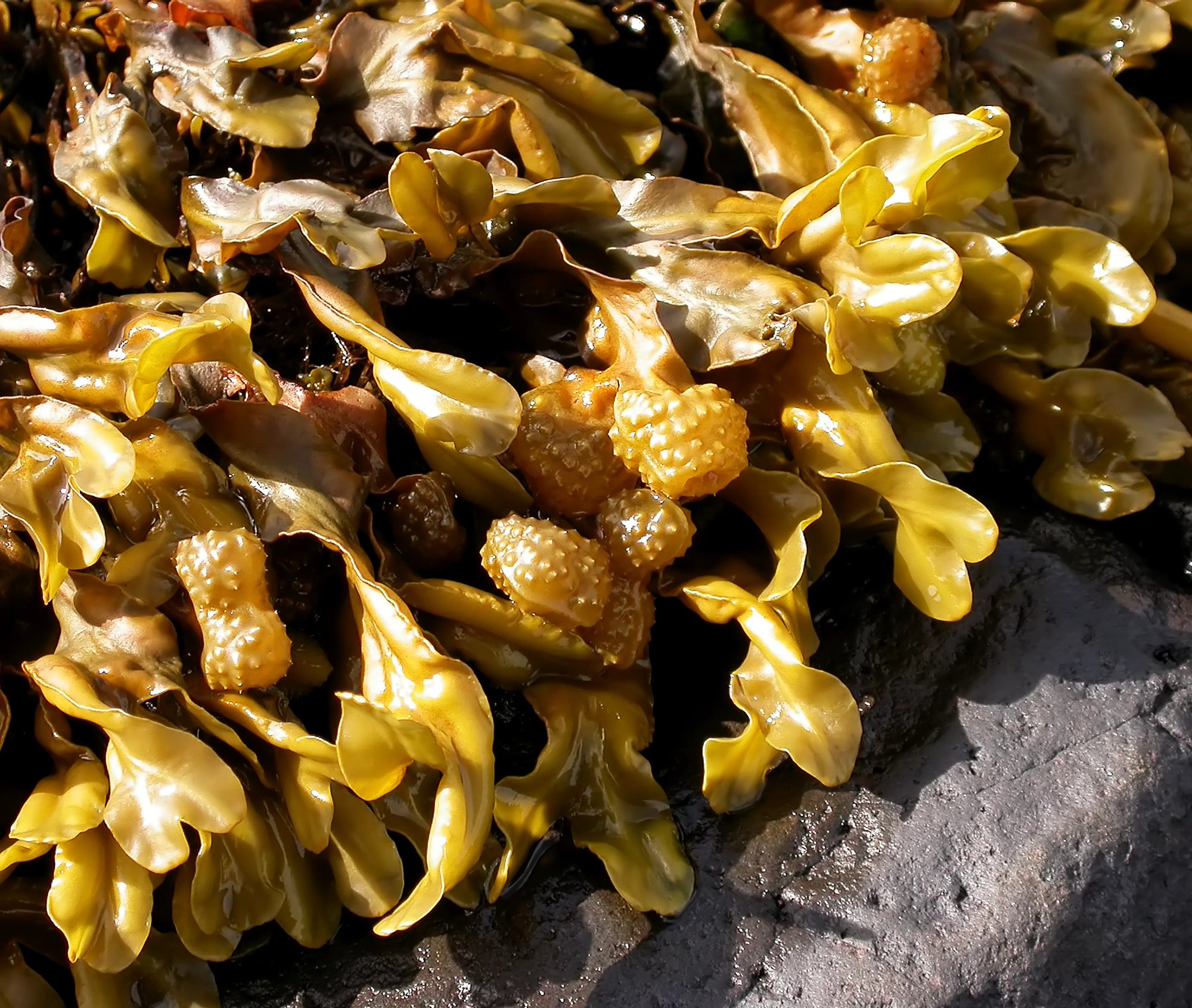
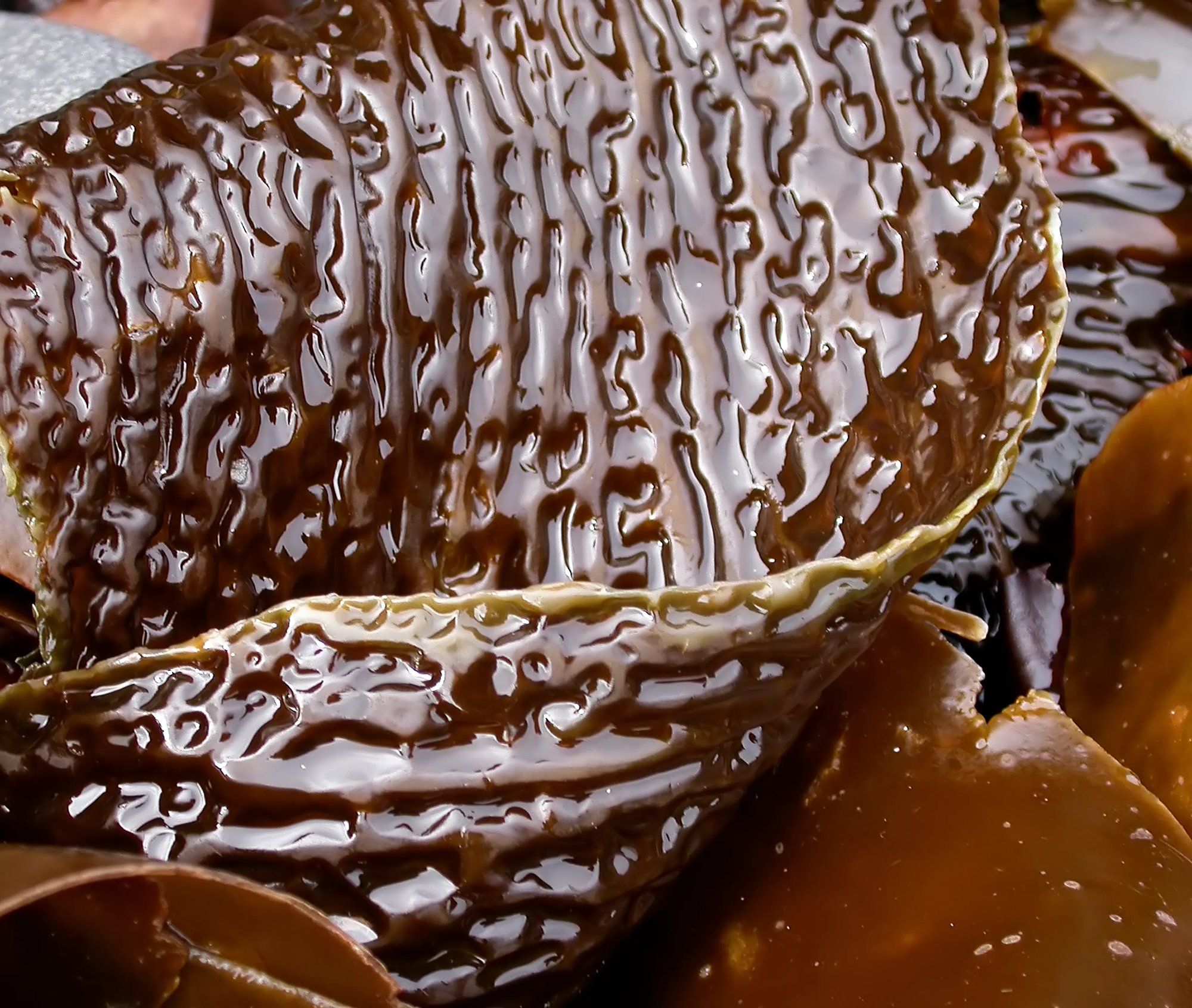
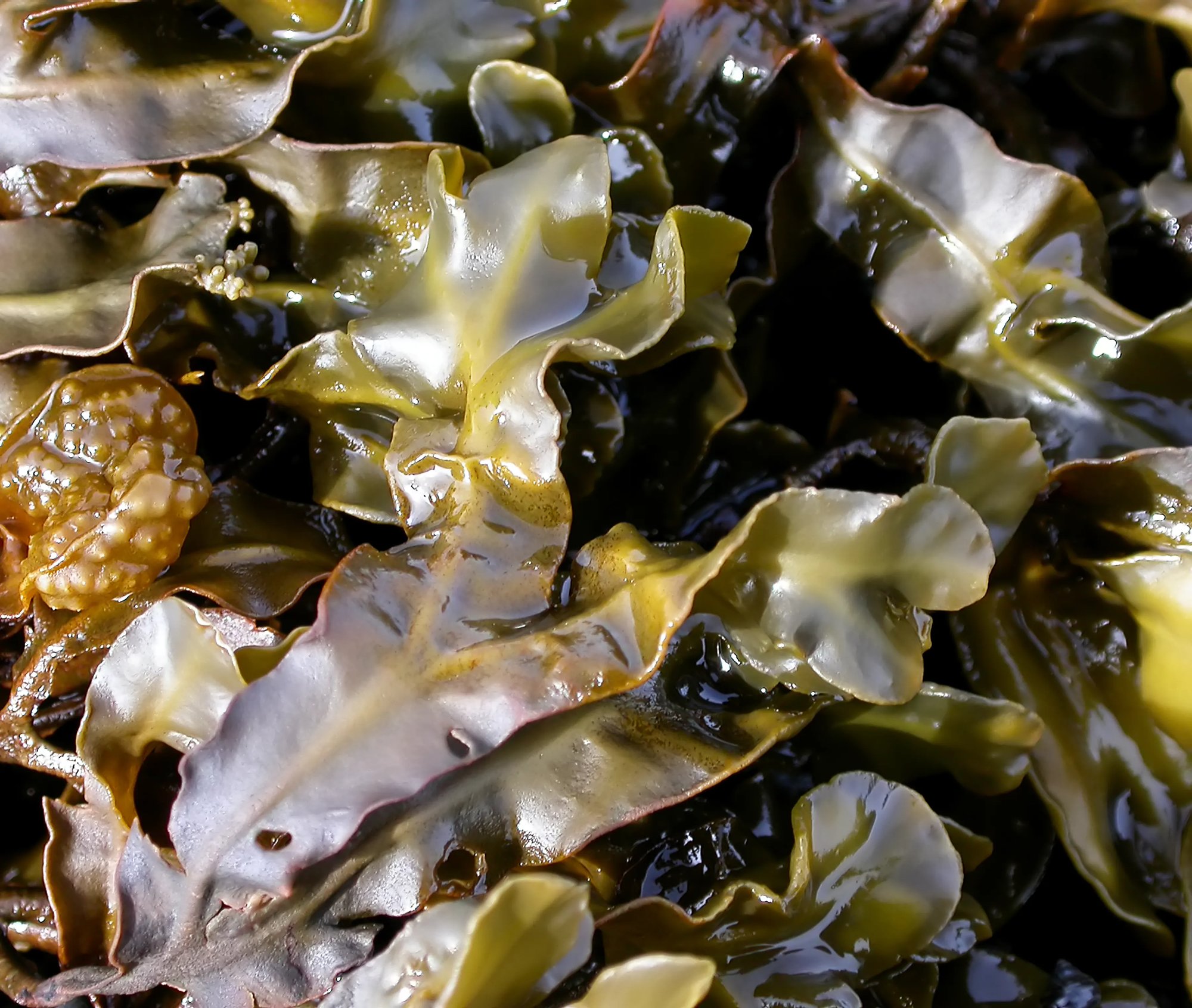
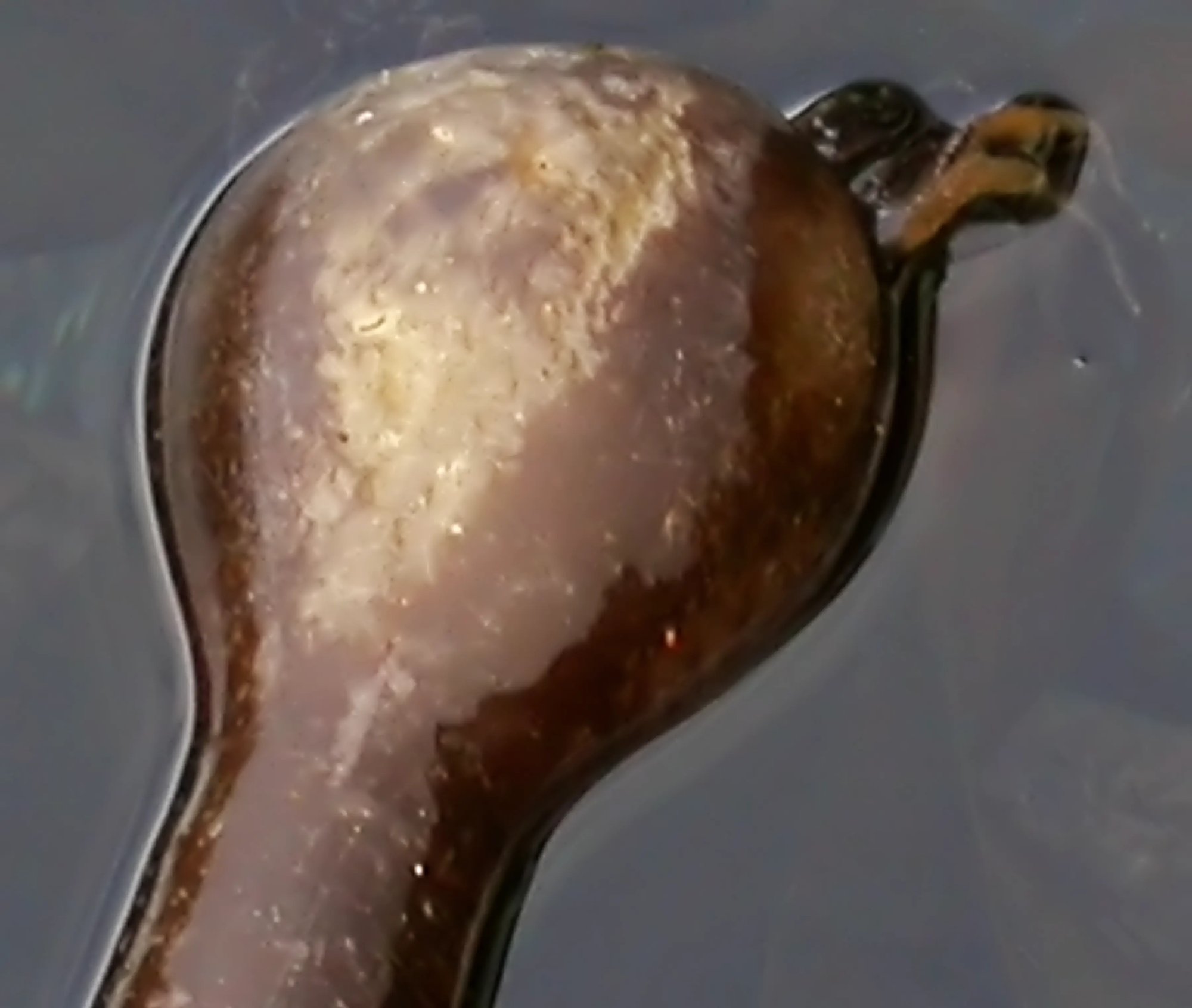
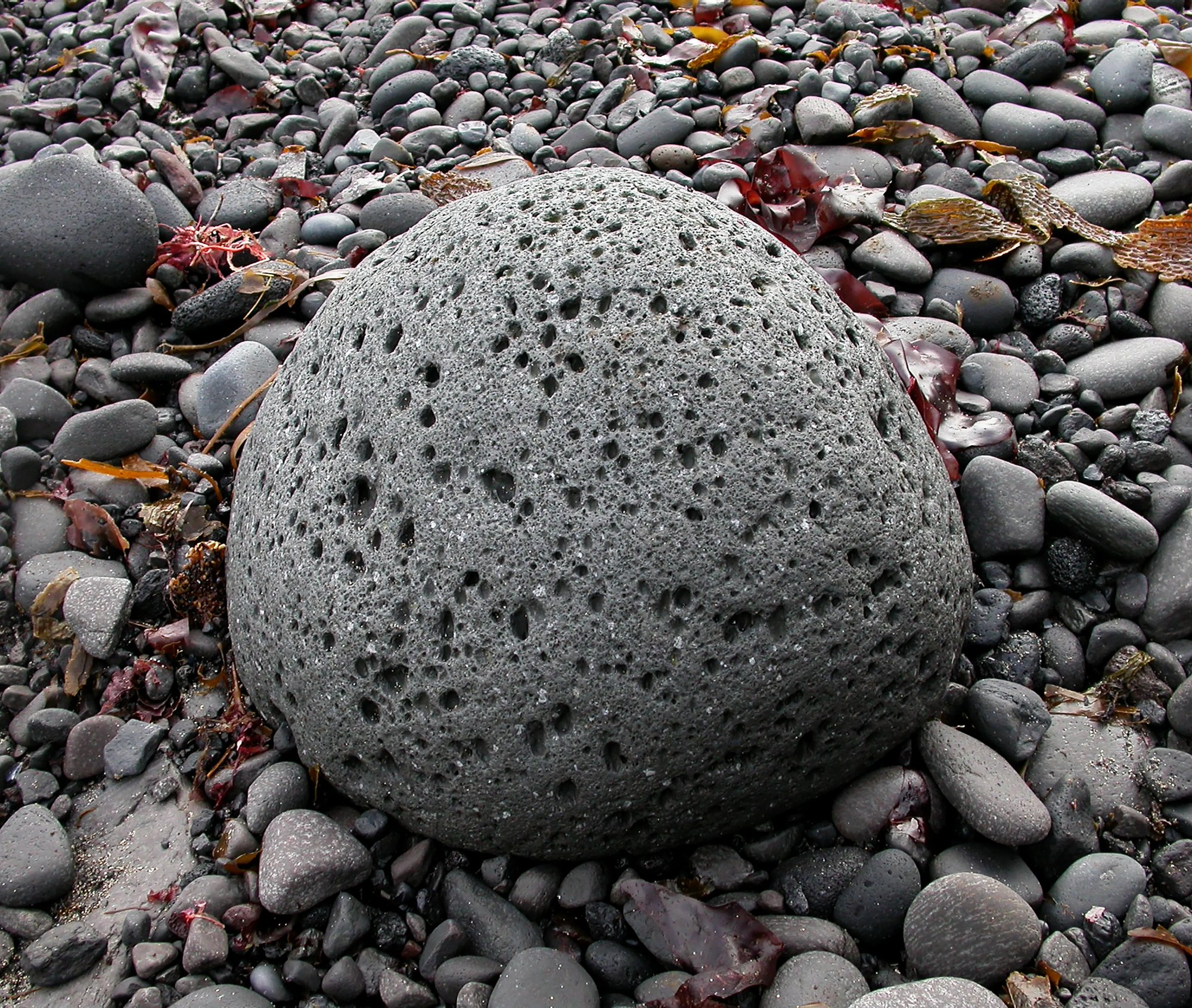
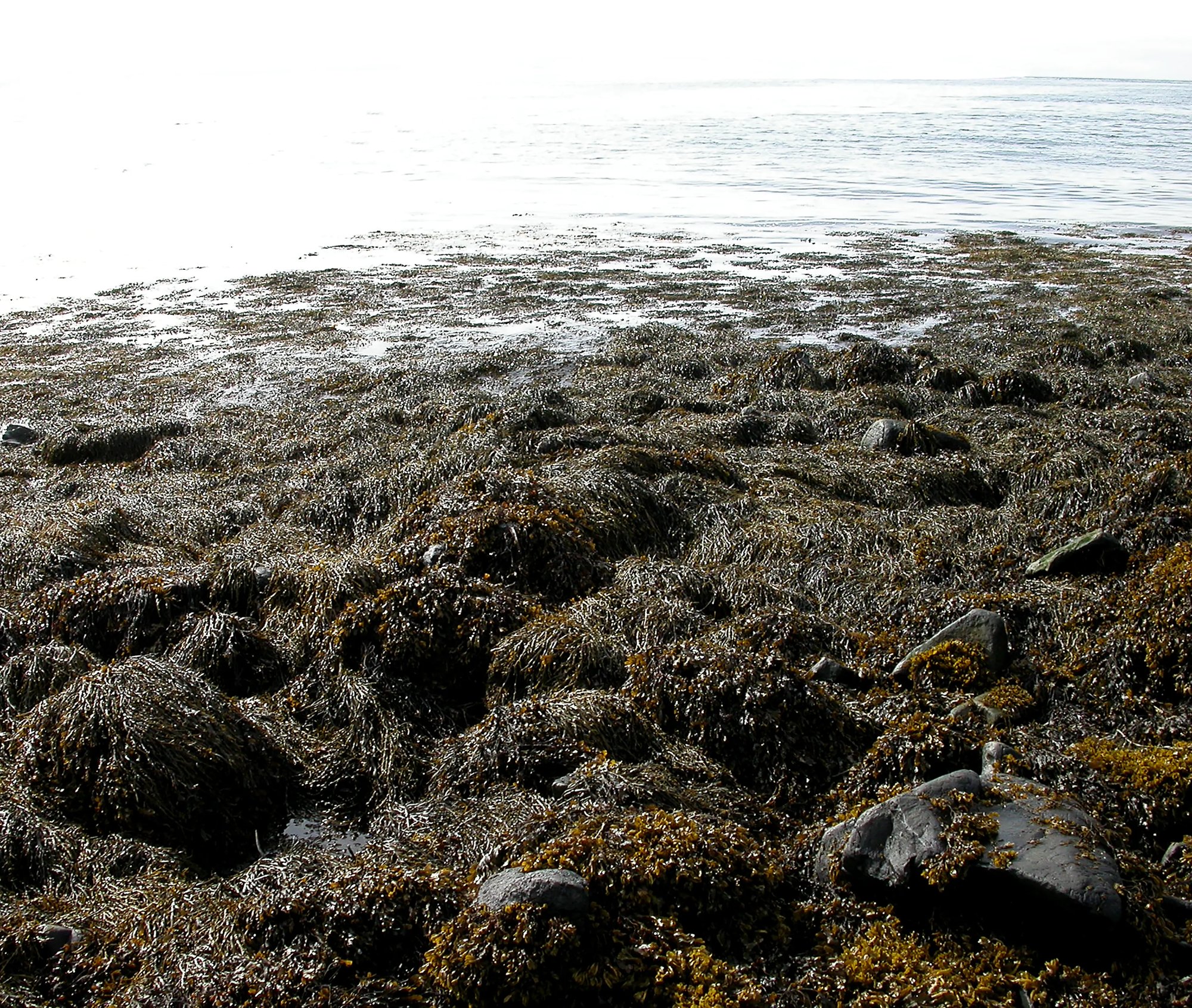
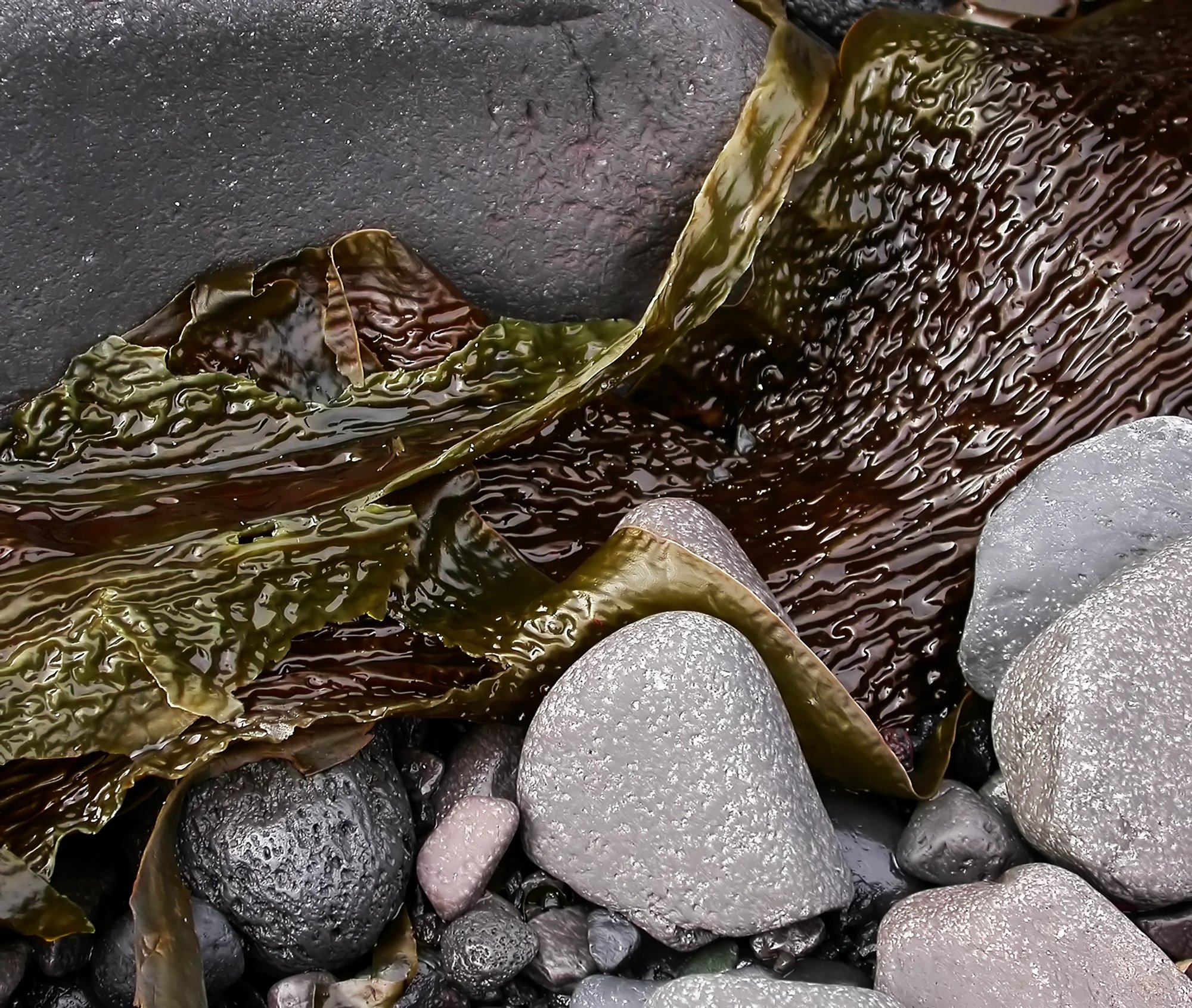
ROOTLESS ALGAS, 2004, Flatey, Iceland, C-prints on Kodak Archive Professional Paper, limited edition of 5.
11″ × 14″ (27.94 cm × 35.56 cm)
During my time on Flatey, a remote island in Breiðafjörður Bay off the coast of Iceland, I had intended to observe and make sketches of the area’s abundant birds, such as Arctic Terns, Red-throated Divers, and Black Guillemots, but I learned upon my arrival that two days earlier the birds had migrated to a warmer climate so I found myself paying closer attention to the world around me than I ever had before. The island is sparsely populated, almost austere, and that quietness made observation feel necessary.
The rocks on the shores of Flatey were covered with thick and textured accumulations of a type of algae that I had never seen before. The colors and the immensity of these piles were overwhelming. They were aesthetically beautiful, yet I couldn’t explore the shores nor go swimming without stepping in and around the vegetation. Along the shoreline, I kept returning to the algae. Dense, heavily textured, vivid in color, they were unlike anything I had seen. Their formations spread across the landscape with an authority of their own. But they also made it harder to move, harder to reach the water. I was drawn to them and held back by them at the same time, and that tension sharpened my awareness of my own body, the space around me, and how the two related.
Video & photography became the way I worked through what I was experiencing. It allowed me to slow things down and turn a physical encounter into something more contemplative, a study of perception and place. I started thinking about algae not just as a visual subject but as a biological model. They do not root. They use holdfasts as temporary anchors, cluster together, drift, and form networks that carry them across the ocean. When I understood that, something clicked. I recognized my own experience in theirs: migration, displacement, and an identity that does not belong to one fixed location but moves, adapts, and builds connections along the way.
Looking back, this work feels like the beginning of a conversation I am still having. The questions it raises, about the intersection of nature and technology, about what it means to move through the world and search for belonging within environments that are always shifting, are the same questions that continue to drive my practice today.